
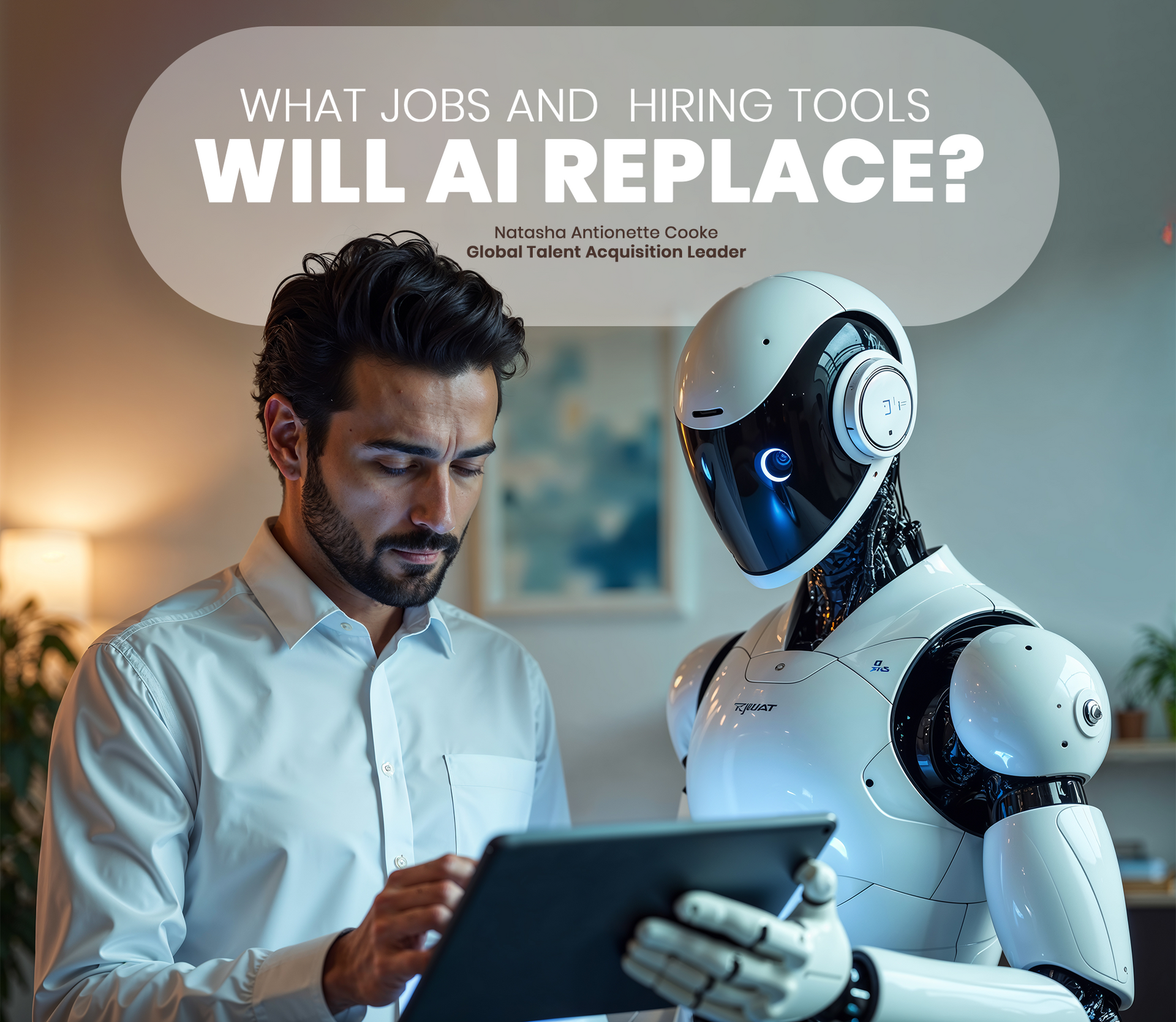
Artificial Intelligence (AI) is revolutionizing industries across the globe, and hiring is no exception. From automation of repetitive tasks to intelligent decision-making, AI technology is transforming how companies identify, engage, and hire top talent. At the forefront of this shift are platforms like FillaRole, which combine the power of AI-driven tools with real-world hiring expertise to streamline the hiring process while preserving the human touch.
This blog explores which jobs and hiring tools are most impacted by AI, how AI systems are improving efficiency, and what hiring professionals can do to stay relevant in an ever-evolving landscape.
The Rise of AI in Talent Acquisition:
The integration of AI capabilities in hiring isn’t just a trend—it’s a fundamental shift. From resume screening to scheduling interviews, AI is automating time-consuming tasks once handled manually by human talent sourcing.
Solutions like FillaRole harness AI-powered hiring tools and natural language processing to deliver faster, smarter hiring outcomes. These platforms leverage AI algorithms to scan thousands of job descriptions and candidate profiles in seconds, providing a shortlist of best-fit candidates with minimal effort.
By using AI effectively, hiring managers can optimize workflows, reduce bias, and create a more scalable, efficient candidate experience.
Which Jobs and Tools Will AI Replace?
1. Administrative HR Functions
Tasks such as interview coordination, onboarding paperwork, and scheduling meetings are ripe for automation. AI chatbots and AI-assisted platforms can handle these effortlessly, freeing up human resources for more strategic tasks.
FillaRole, for example, uses automation to take care of scheduling interviews and candidate follow-ups, so talent seeker experts can focus on building relationships.
2. Resume Screening
AI hiring tools have made it possible to screen thousands of resumes in minutes using data sets, AI algorithms, and pattern recognition. These tools can match qualifications, skills, and experiences to open roles more accurately than traditional manual screening.
This is particularly useful for high-volume hiring, where human review of each application is no longer scalable. FillaRole’s AI helps hiring teams filter through applicants efficiently without compromising on quality.
3. Sourcing Candidates
Platforms like LinkedIn remain dominant, but AI-powered tools now automate outreach, track engagement, and recommend ideal candidates based on behaviour, skills, and preferences.
FillaRole uses generative AI to write personalized messages, identify passive candidates, and target the right talent pools, turning social media sourcing into a science.
4. Initial Candidate Screening
AI can handle early-stage evaluations through chatbots and video interviews. Some tools even analyze facial expressions and voice tone to predict candidate fit, though this should be supplemented with human judgment to avoid biases.
With FillaRole, early screening is streamlined through customizable AI workflows that ensure only the best-fit candidates move forward.
Hiring Tools That Leverage AI Technology
Today’s most effective hiring strategies incorporate AI-powered tools that enhance the role of human talent seeker rather than replace them. Leading solutions include:
- ChatGPT:
Ideal for
content creation like
job descriptions, interview questions, and candidate communication.
- AI Agents: Automate interactions, FAQs, and follow-ups.
- Generative AI:
Create branded job posts, social media content, and employer branding materials.
- FillaRole: Offers an all-in-one solution that combines these features to simplify sourcing, screening, and hiring workflows.
With platforms like FillaRole, hiring teams benefit from real-time metrics, reduced hiring time, and increased quality of hire—all while enhancing the candidate experience.
What AI Can’t Replace: Human Insight
Despite the impressive AI capabilities, there are aspects of hiring that still require human interaction. These include:
- Assessing
soft skills
- Making nuanced
hiring decisions
- Delivering personalized
candidate experiences
- Exercising empathy and
emotional intelligence
- Navigating complex team dynamics
AI may be able to streamline workflows, but it cannot truly understand cultural fit, long-term potential, and candidate motivation. This is where human interaction remains essential.
FillaRole recognizes this balance by enabling AI to handle the technical tasks, while letting people focus on what they do best—engaging with people.
How to Future-Proof Your Role in the Age of AI
To remain competitive in the age of AI hiring, HR professionals should focus on:
1. Upskilling
Learning how to use AI tools, interpret metrics, and integrate automation into your daily tasks is no longer optional—it’s critical.
2. Strategic Thinking
As AI handles more repetitive tasks, professionals must shift toward data analysis, candidate engagement, and long-term workforce planning.
3. Collaboration with AI
Rather than fearing AI, embrace it as a tool to optimize performance. Platforms like FillaRole are designed to empower hiring, not replace them.
4. Ethics and Oversight
AI is only as unbiased as the data it's trained on. Human oversight ensures fairness, diversity, and ethical decision-making in hiring practices.
The Broader Impact of AI on the Workforce
Beyond hiring, AI will impact roles across healthcare, logistics, finance, and more. Jobs that involve pattern recognition, data sets, and routine procedures are especially vulnerable to automation.
However, roles requiring human interaction, creativity, and adaptability will continue to grow. This creates a unique opportunity for job seekers and employers to upskill, pivot, and prepare for the future of work.
Startups and growing companies using FillaRole are already seeing these benefits—cutting hiring times in half while improving the quality of hires through smart, AI-assisted workflows.
The Role of AI in Enhancing—Not Replacing—hiring
Ultimately, AI’s role is not to remove humans from hiring but to eliminate inefficiencies and improve outcomes. Tools like FillaRole are leading this transformation by offering AI-powered hiring solutions that support real people doing meaningful work.
The benefits of AI are most powerful when combined with human oversight and strategic insight. With platforms like FillaRole, hiring becomes not only faster but also more thoughtful, inclusive, and aligned with long-term goals.
Final Thoughts
AI is undeniably transforming the world of hiring. It’s replacing outdated methods, reducing manual effort, and enhancing speed, consistency, and accuracy. But the heart of hiring—the part that understands passion, potential, and purpose—remains human.
Solutions like FillaRole embody the best of both worlds: AI technology that simplifies the hiring process, and the human intelligence that ensures every hire is the right one.
If you're ready to future-proof your hiring strategy, it's time to embrace AI. But do it with a partner who values both efficiency and empathy.
About the Author
Natasha Antionette Cooke is a global talent acquisition expert with a passion for integrating innovation and empathy into the hiring process. With extensive experience leading sourcing and hiring teams across multiple regions, Natasha specializes in transforming hiring through smart tools, strategic insights, and a people-first approach. Follow her journey and connect on LinkedIn.